
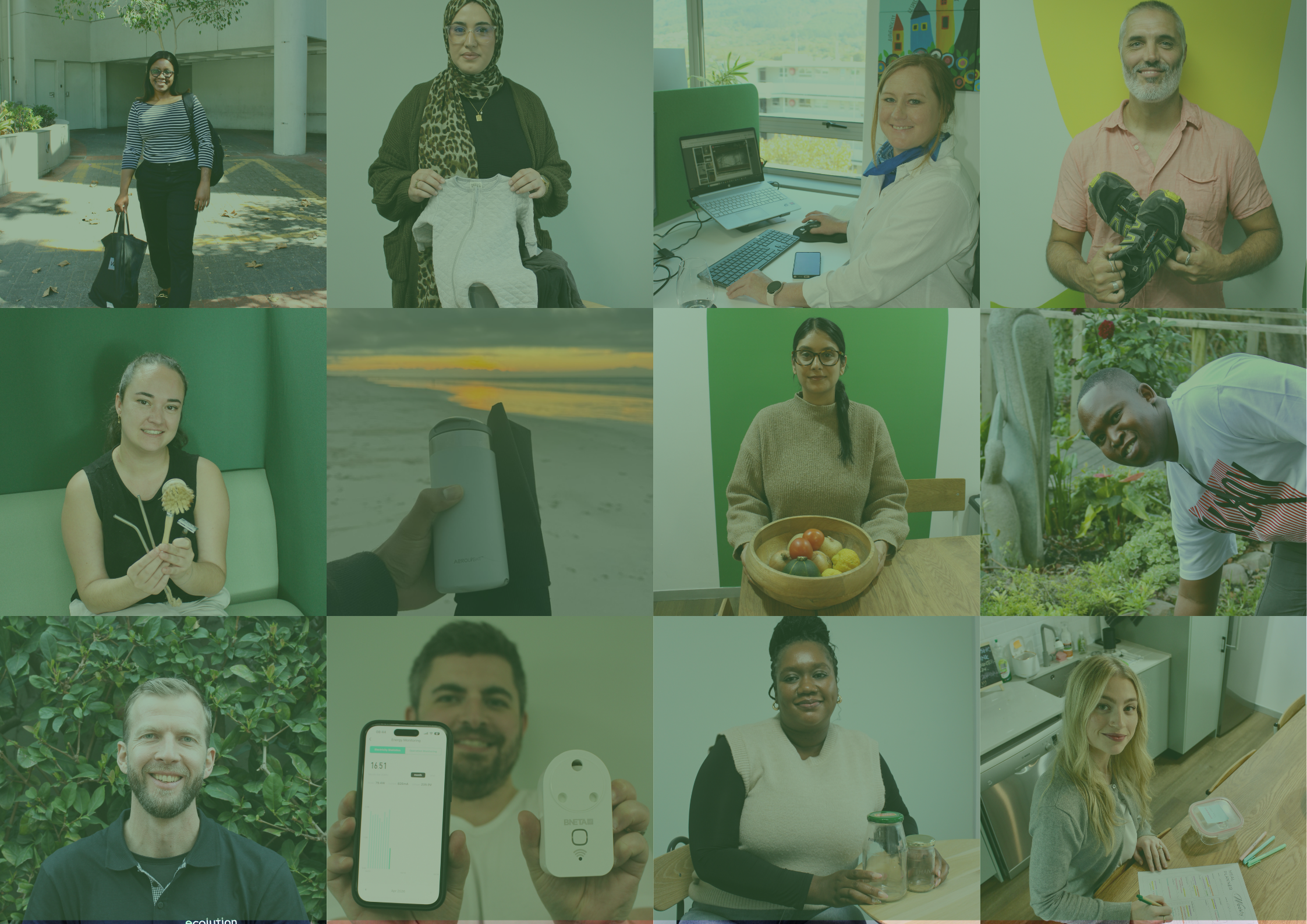
There is a version of sustainability that lives in spreadsheets, certification documents and building practices. It is measurable, auditable, and important. And then there is the version that lives in the local cobbler who fixes a pair of second-hand shoes, or the jar repurposed as a storage container in someone's kitchen, or the bucket standing in a shower collecting greywater while Cape Town worries about another drought. At Ecolution we believe in both!
This month, Ecolution Consulting turned 15. And while the numbers that mark this milestone are significant, with over 500 projects, over 100 green building certifications, 2.9 million square metres of floor area greened, and more than a million cubic metres of water saved; the team chose to mark the occasion in a way that is decidedly human in scale. Fifteen team members, all championing personal acts of sustainability, with one shared understanding: that the built environment is not separate from the lives being lived inside it.
A maturing industry, and the people inside it
When Ecolution was founded in 2011, South Africa's green building industry was still finding its footing. The Green Building Council South Africa (GBCSA) had been established just three years earlier, and certified buildings were a rare exception rather than a growing expectation. Fast forward to 2026, and the picture has shifted substantially. The GBCSA's 4th Edition of Green Building in South Africa: A Guide to Costs and Trends, released in late 2025, confirms that the green building cost premium (once feared as a barrier) has fallen to an average of just 2.40% for the 2022–2024 period, down from 5.95% at the start of the industry's development.
Against this backdrop, Ecolution's 15-year anniversary marks the arc of an entire industry's adolescence, and the people who showed up to do the work throughout its growth phase.
The acts themselves
What strikes you immediately when reading the team's contributions is how ordinary and intentional they are. This is especially important as a reminder that anyone can start making more sustainability-minded decisions today; all it takes is one micro-habit shift, and to repeat it again tomorrow and the day after.
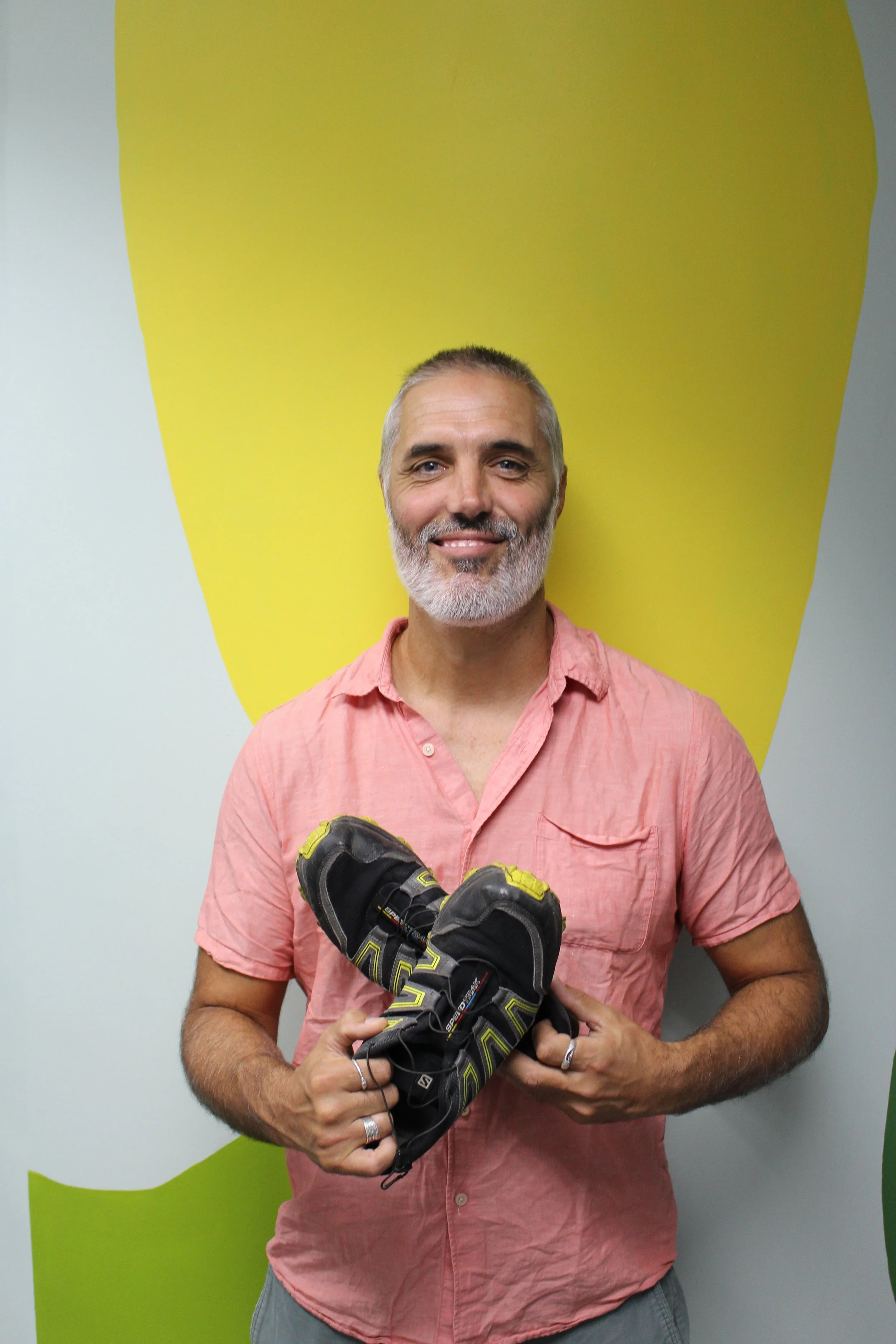
James chose buying second-hand goods as his act "from cell phones to clothes to shoes (seriously high-risk purchase when not able to first try on and not for the faint hearted, just saying)." He links the choice directly to the broader cultural pressure to consume: "The messaging is so strong for us to keep on buying ourselves into better moods and better people." The deeper point, though, emerges from a personal story. A pair of second-hand shoes arrived with holes. Rather than returning them, he tracked down a cobbler in his town. The shoes were repaired. "For me, sustainability is remembering that we are all connected and that it is the relationships between all living beings on this planet that make us stronger."
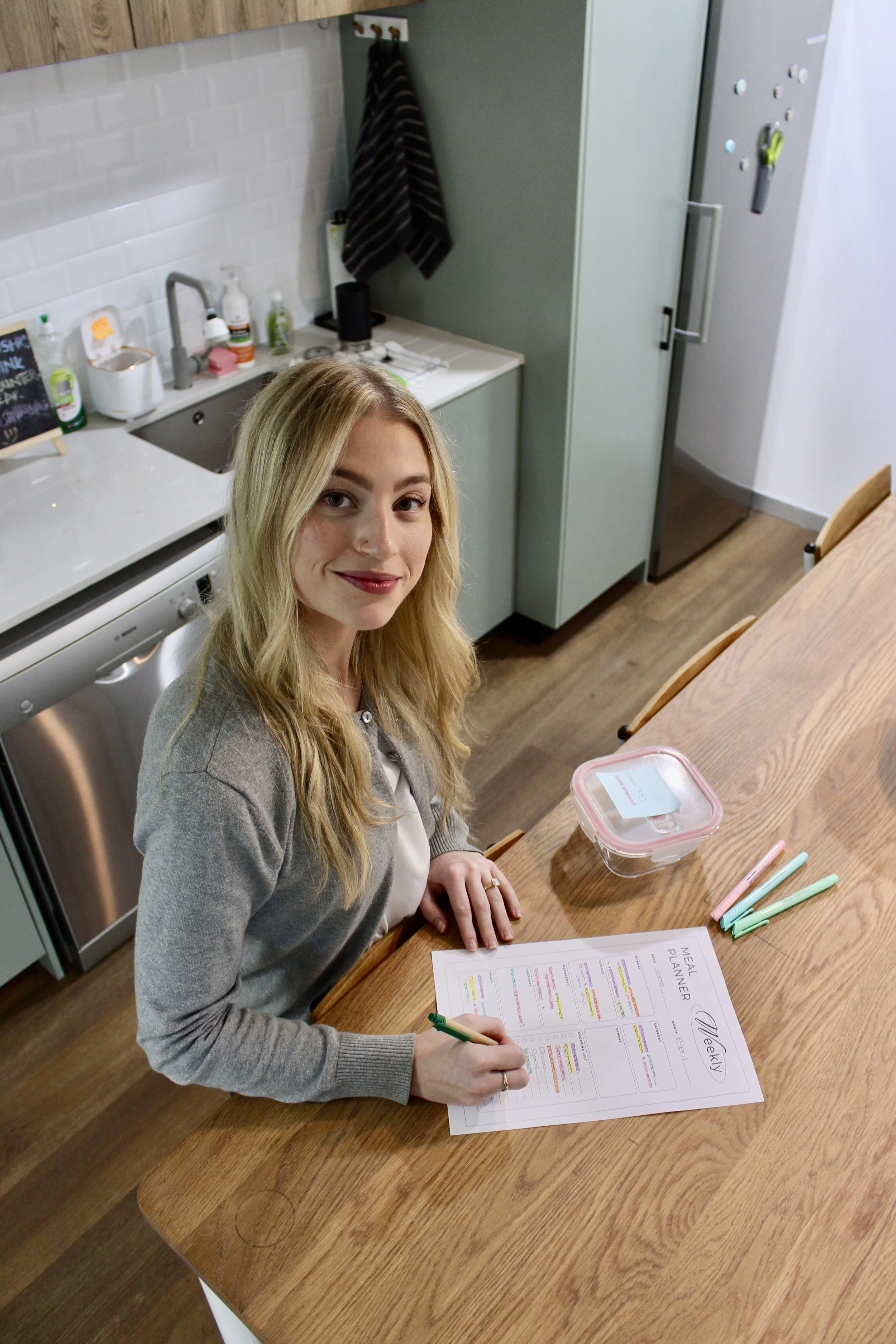
Ashley practises intentional food planning by coordinating ingredients across meals to eliminate waste. She draws an explicit line between this and the way she approaches her professional work: "thinking ahead, understanding systems, and making intentional choices that create lasting impact." The act, she says, mirrors the same mindset she brings to her day job.
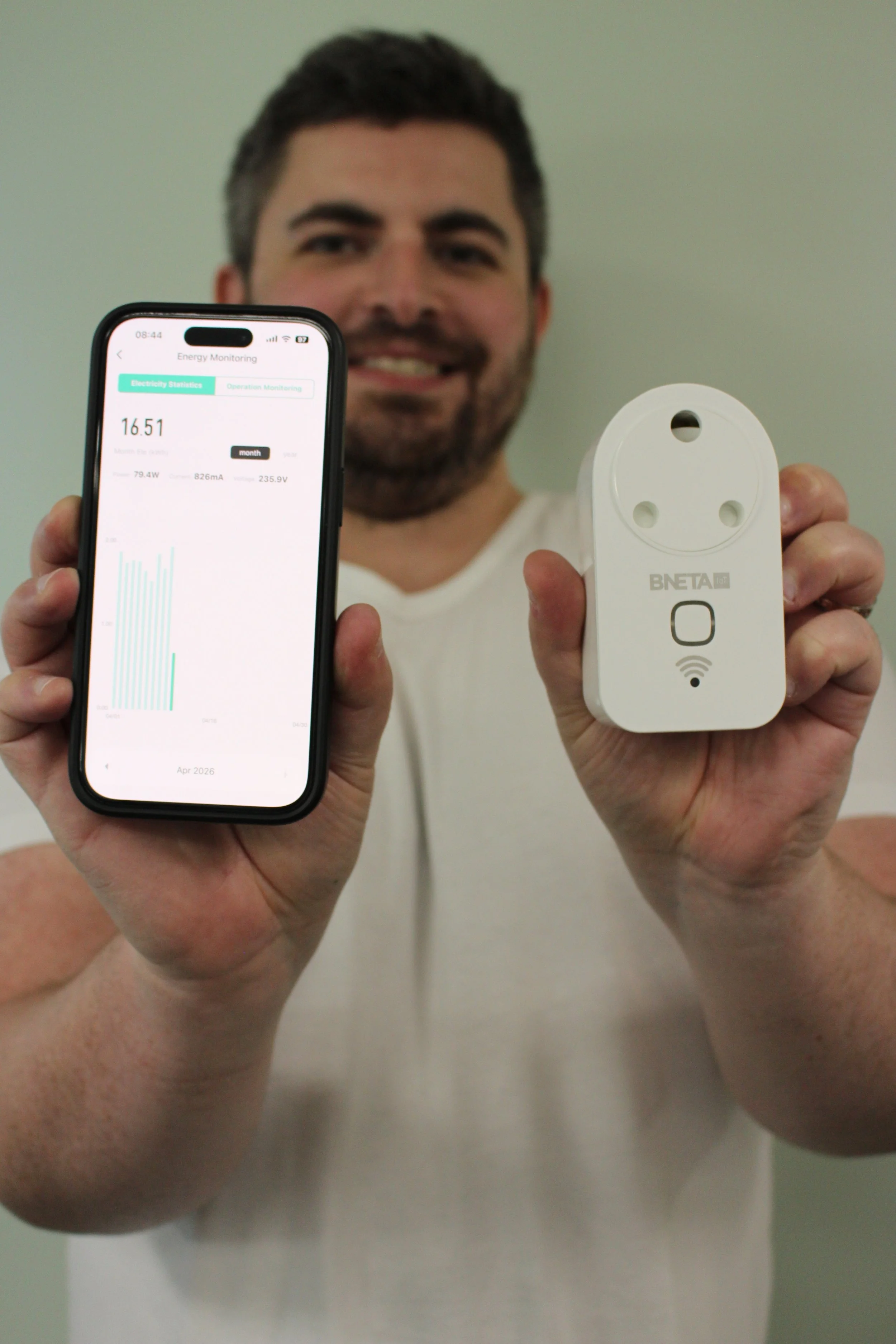
Edmund monitors his home's energy use through smart plugs, connecting this directly to the regulatory environment that has shaped Ecolution's decade and a half: "It reflects how sustainability due to technology has evolved alongside Ecolution over the past 15 years. As regulations have grown, so has the need to understand and control our own consumption."
Asanda focuses on preventing and picking up litter - something he is deliberate about in public spaces, with friends and family. "Sustainability doesn't always have to be complex or technical," he says. "Sometimes it's about consistent, everyday behaviour." It is an act that grounds his professional identity in something immediate and personal: "sustainability starts with individual responsibility."
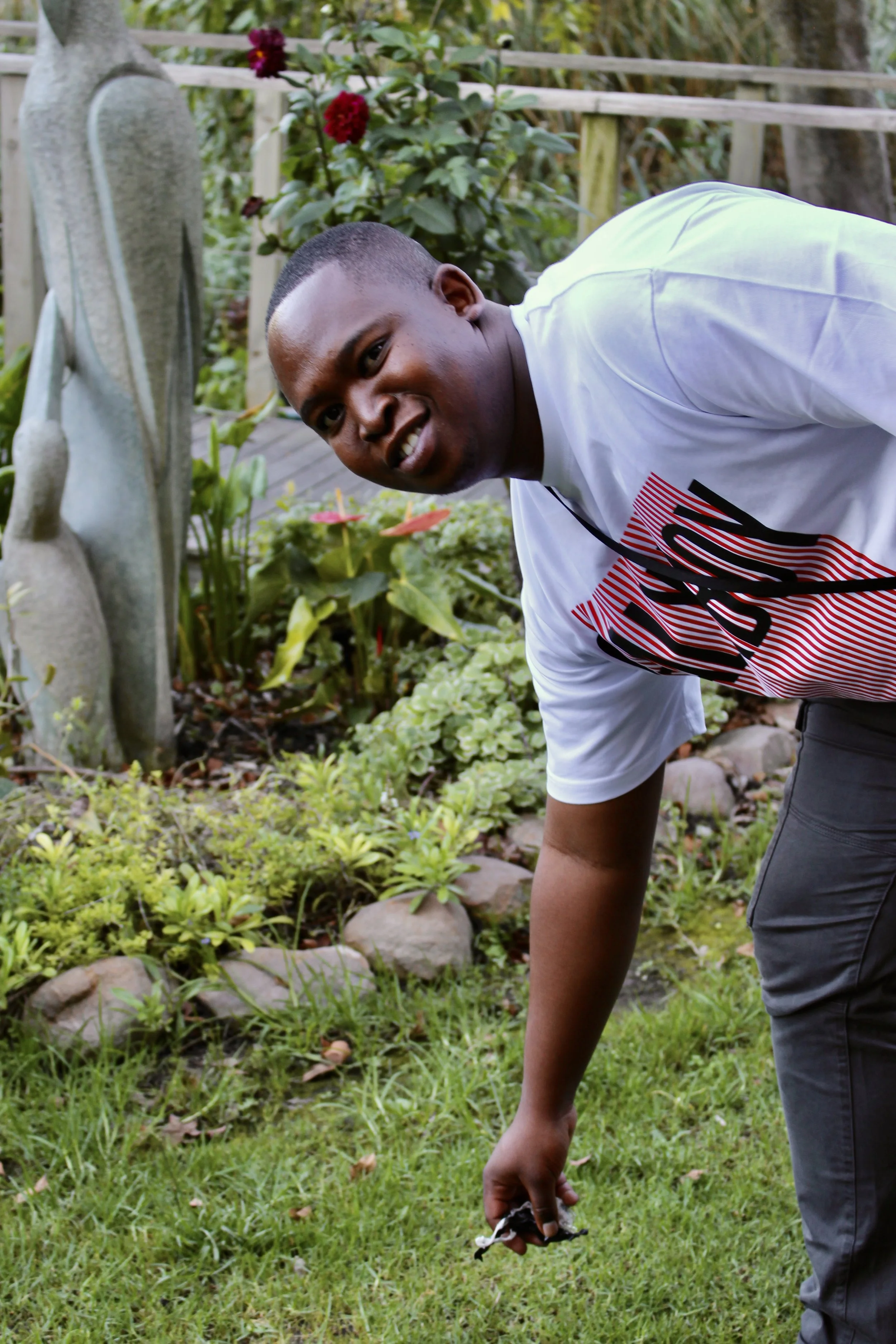
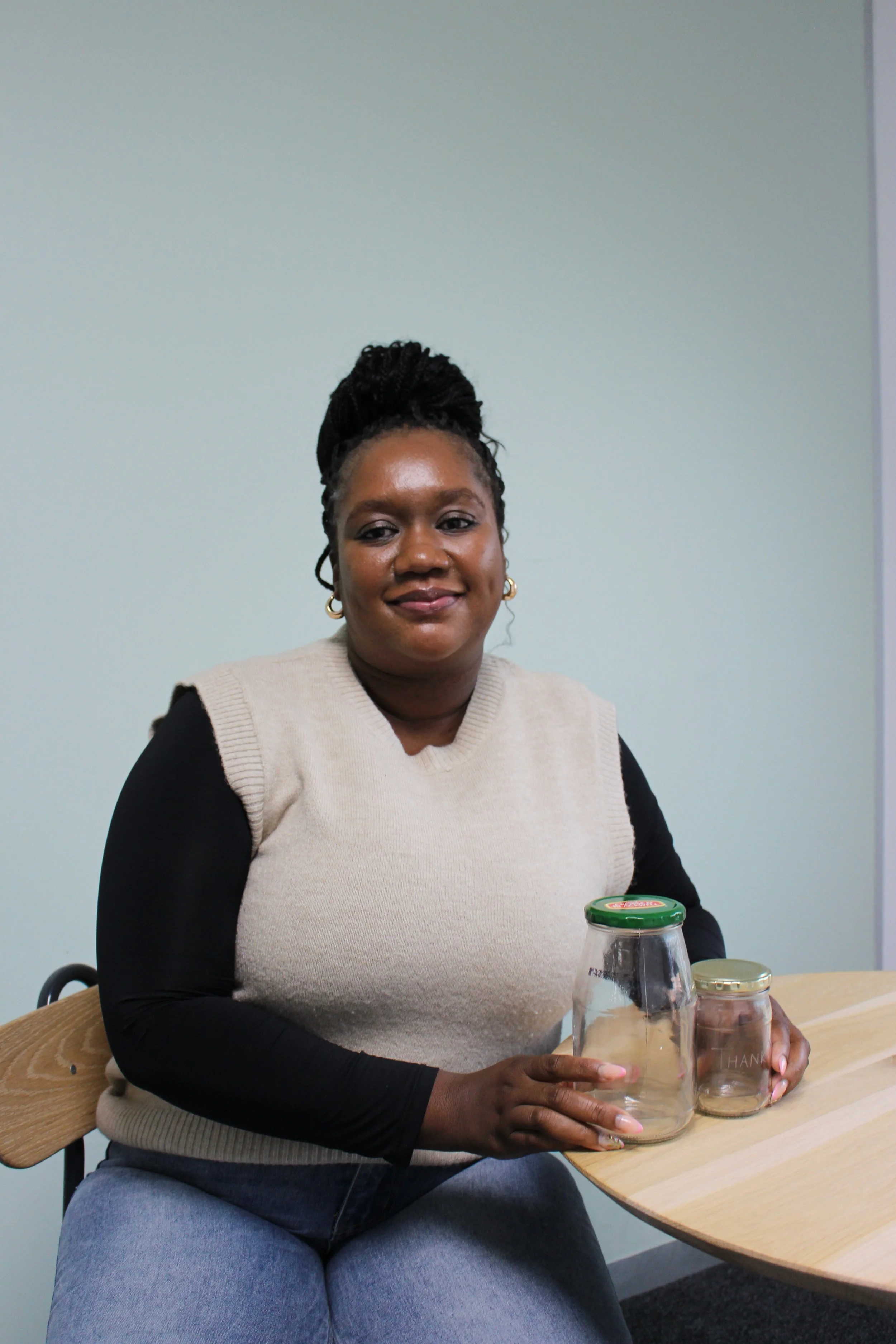
Sibulele reuses, upcycles and takes the more efficient route, whether that's jars becoming storage containers, old t-shirts becoming cleaning cloths, or laundry getting done cold and air-dried. The practice comes from her upbringing, inherited from her grandmother, a reminder that sustainable living can also be a recovery of wisdom passed down between generations. "It's the small acts that help make an impact."
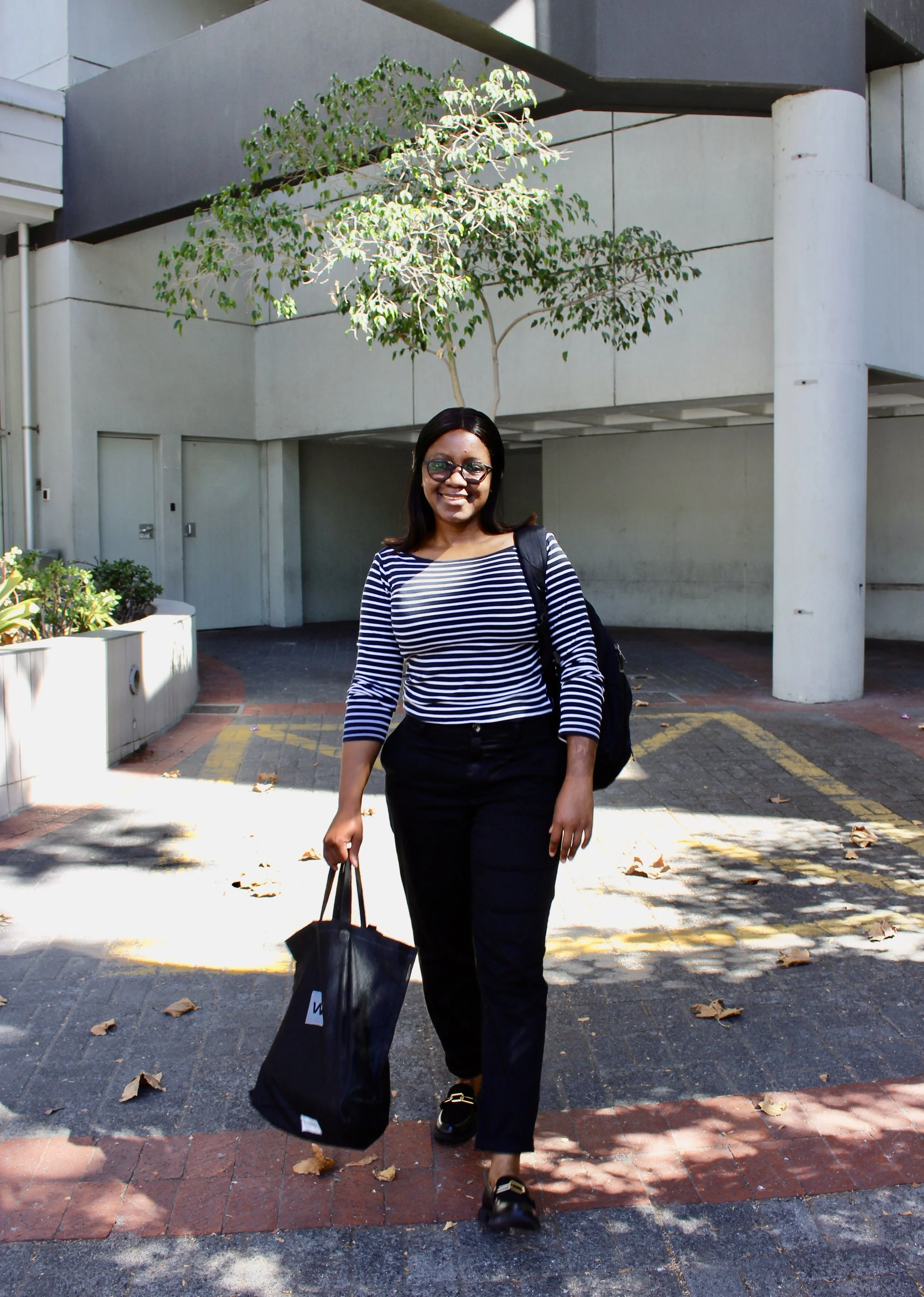
Nonhlanhla groups her outdoor errands to reduce travel and fuel use. Practical, weekly, nearly invisible in its simplicity, and made easier by the hybrid work model Ecolution has embraced. "I believe this small consideration makes a meaningful impact over time."
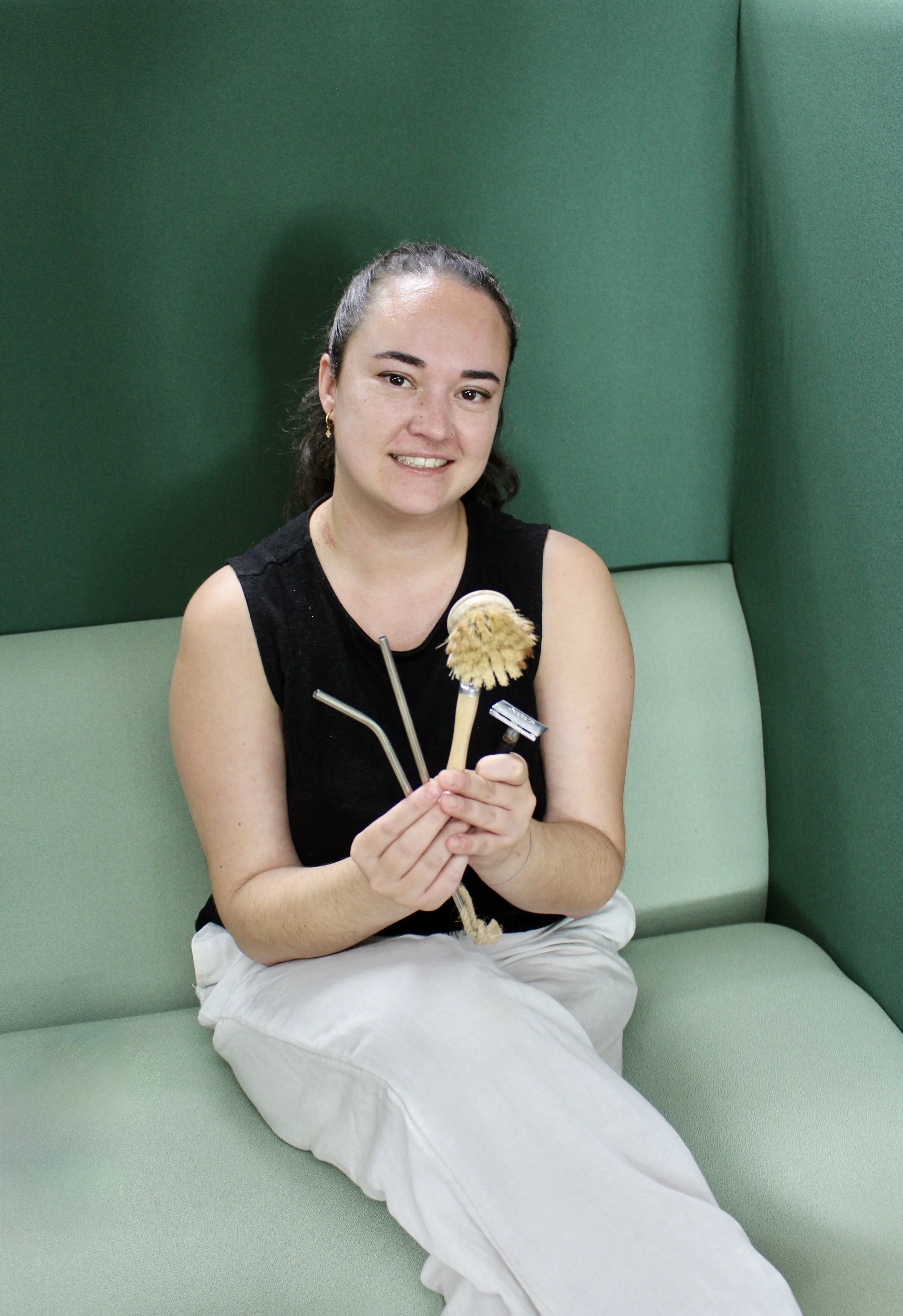
Anja has made a series of simple household swaps: compostable dishwashing scrubbers in place of plastic, a stainless steel razor instead of disposable ones, and shampoo bars instead of bottled. Her reasoning is instructive: "Being sustainable doesn't always happen overnight for everyone; it's usually a culmination of small steps over time."
André, Ecolution's founder, has practised bucket showering since Cape Town's 2017/18 water crisis by collecting greywater to repurpose for toilet flushing, while showering cold for eight to nine months of the year. Rather than an inconvenience, he frames it as a ritual: "Standing in a bucket allows me to physically see the volume of my consumption." In a city now watching its dams with familiar anxiety, this is his ongoing practice for an ongoing reality.
Ayesha reduces her waste to landfill through a combination of recycling drop-offs, meal planning to minimise food waste, and reusable shopping bags returned to the car immediately after unpacking. Her framing is: "Many 'simple' sustainability acts add up to make a big impact." She chose this act because it has become second nature and, she suggests, is proof that it is achievable for anyone.
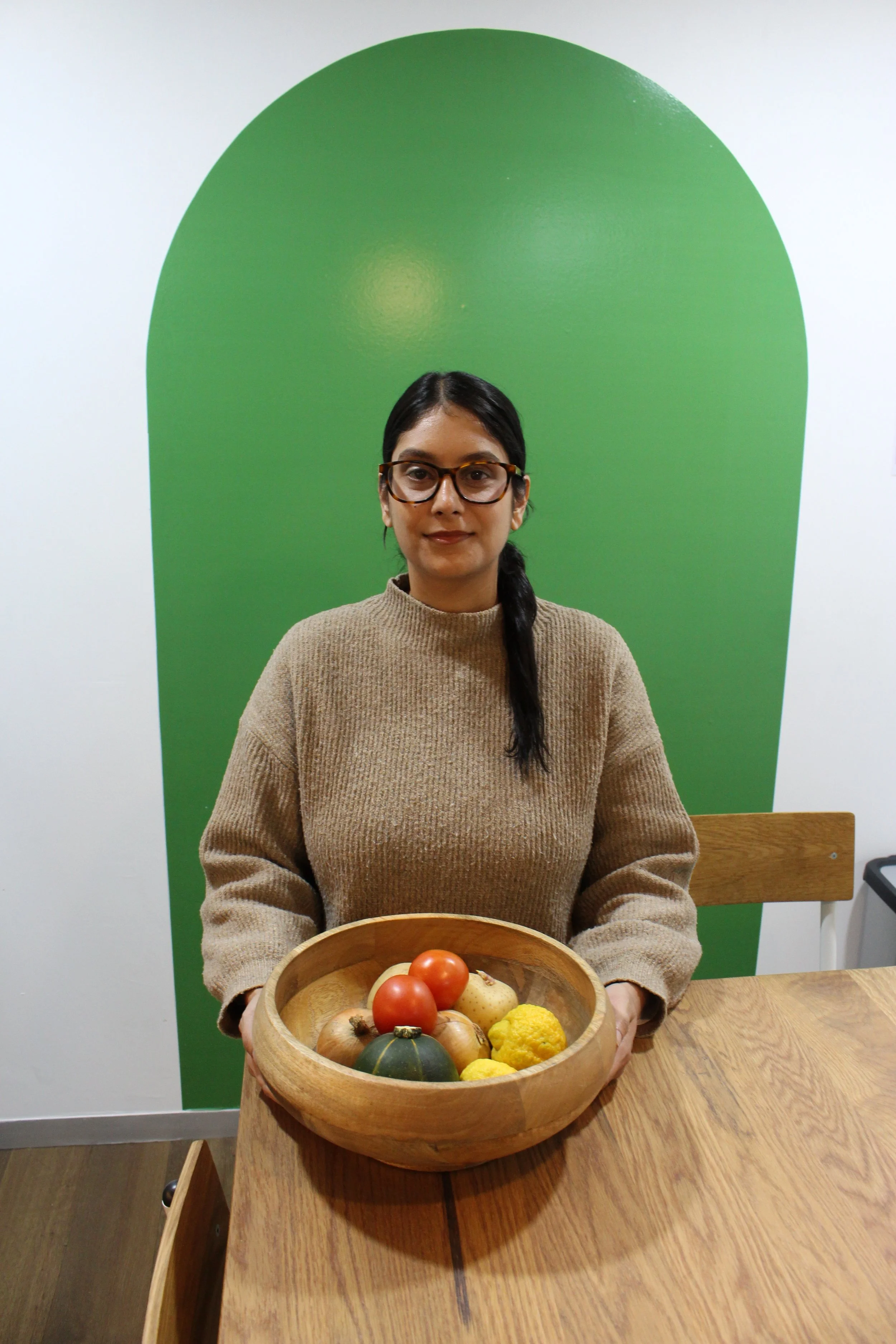
Justine takes a different angle, focusing on the sustainability of home maintenance: sourcing local trades, choosing second-hand or reclaimed materials, and selecting products for their environmental performance. A recent example was choosing a high Solar Reflectance Index coating for a roof repair - reducing heat gain and lowering the need for cooling. What she values most is the conversation that happens in the process: "I make a point of sharing why certain materials or solutions are selected... In this way, sustainability becomes something that is not only implemented, but shared and multiplied through people."
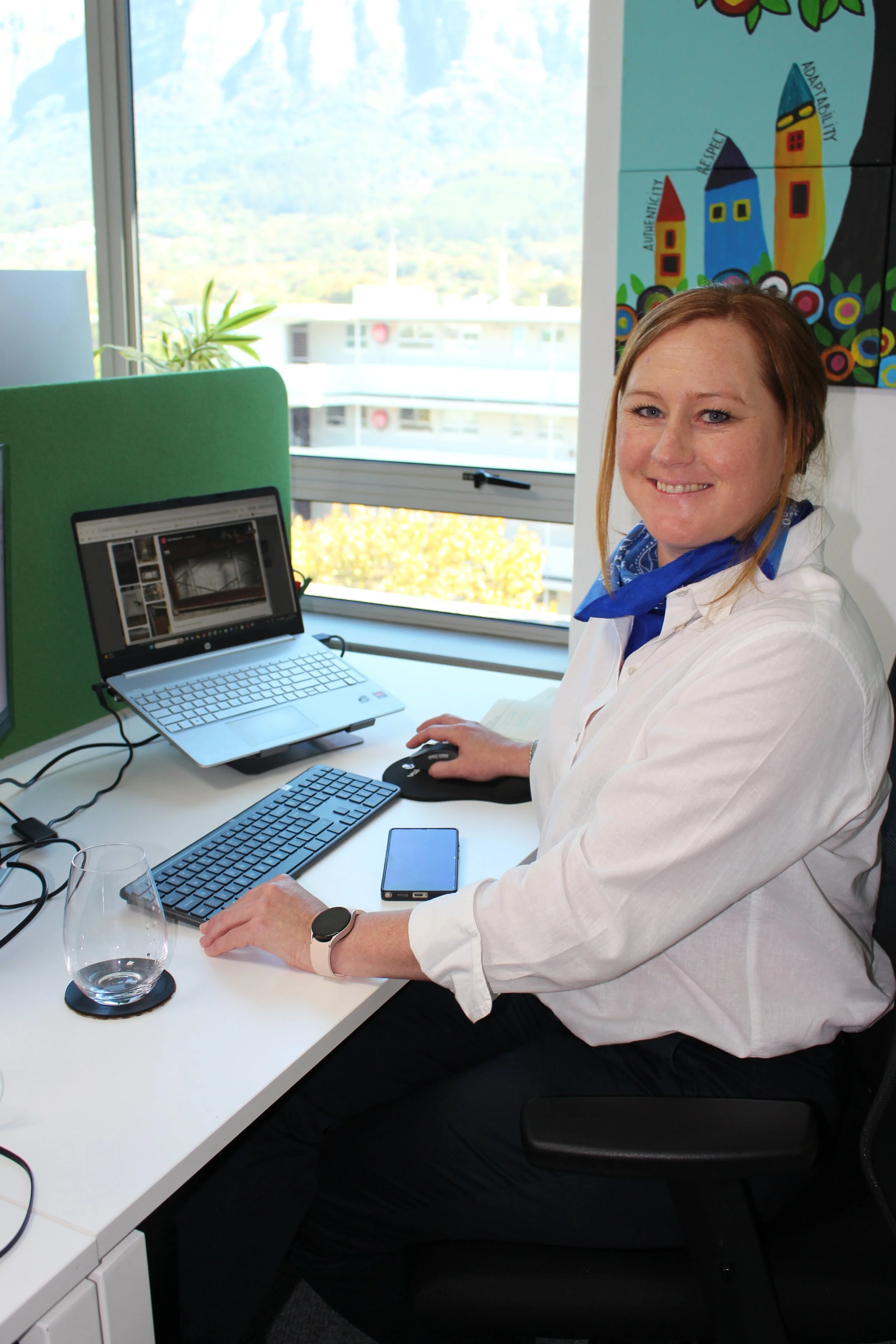
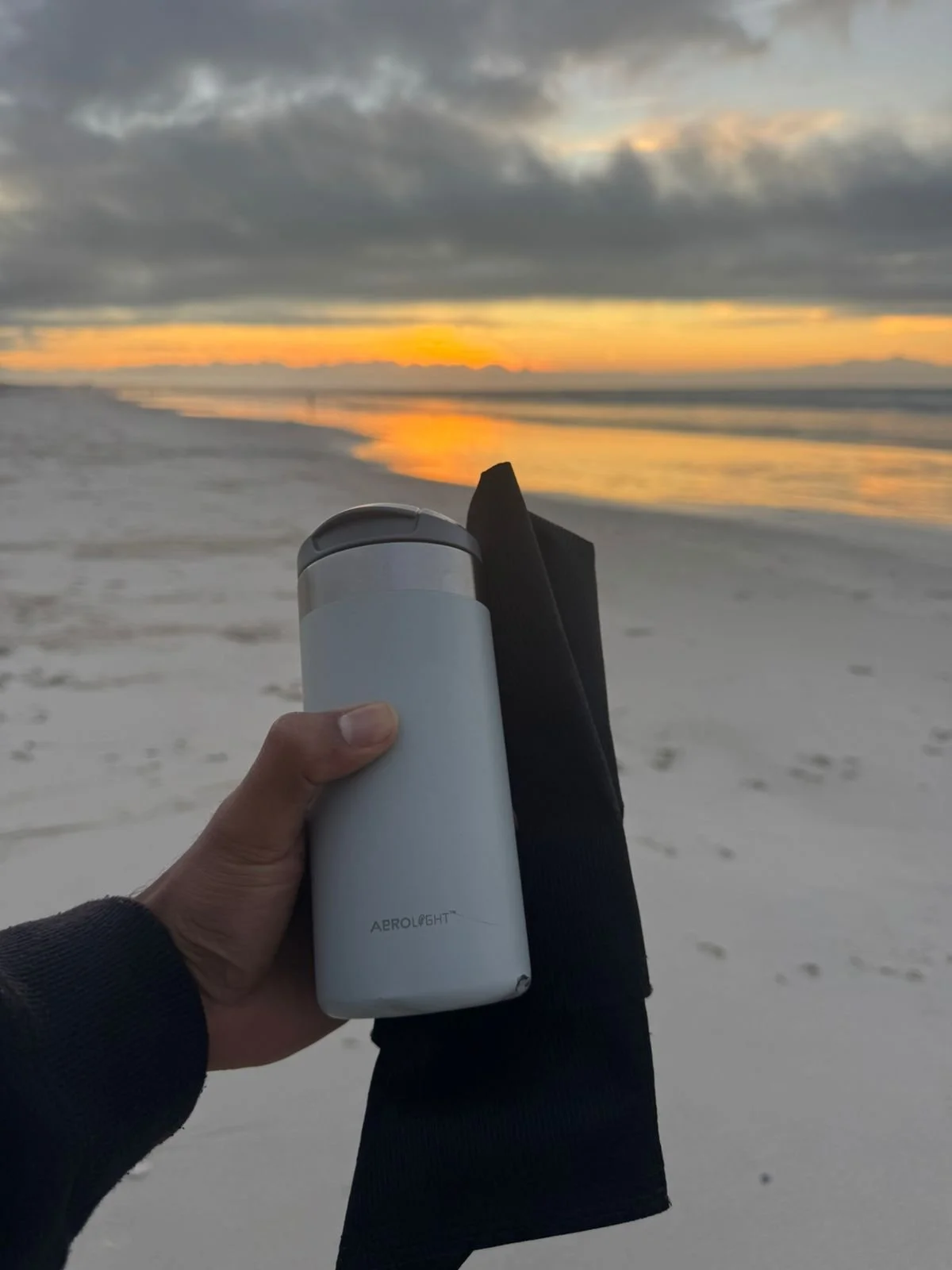
Obayd starts each morning barefoot, reusable coffee cup in hand, camera ready for the sunrise, and a bag for whatever litter finds its way into his path. He's clear that it isn't a formal beach clean-up, but rather an intentional habit woven into his slow start to the day. Yet he's consistently surprised by how much plastic and waste he returns with. "By being more intentional about something as 'everyday' as your morning walk, we prove that small, conscious changes can lead to a huge collective impact."
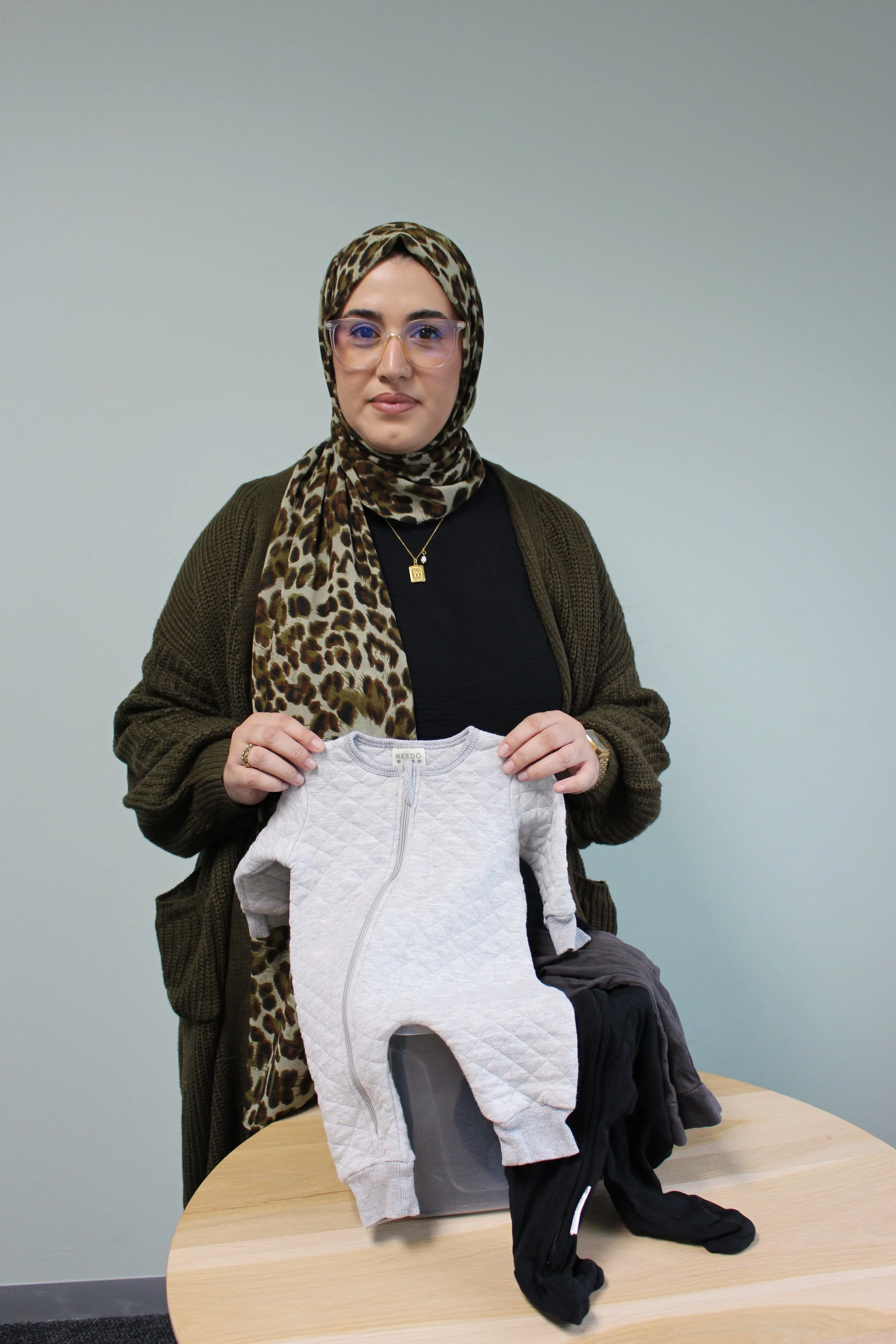
Wardah practises slow fashion, investing in quality over quantity and participating in a circular wardrobe shared among her siblings' children - her four-year-old and nine-month-old are almost entirely dressed through the shared rotation. Having previously worked in the fashion industry, she understands the environmental cost of what most people wear without a second thought. "By being more intentional about something as 'everyday' as what we wear, we prove that small, conscious changes can lead to a huge collective impact."
Wendall lives by the reduce-reuse-recycle hierarchy as a set of first principles, using each as a decision-making lens. "Much like recycling," he says of Ecolution's own 15-year journey transforming accumulated knowledge into new ideas, solutions, and pathways.
As for the Ecolution’s communications team, Sarah’s chosen act is to find ways to get involved in small collective projects; be it a neighbourhood recycling scheme, a community action network or a composting scheme at a local urban farm. As for Bella, she has chosen to use every Friday in May to contribute to a community initiative - whether that be volunteering at a neighbourhood based vegetable garden, beach clean up, pro bono client work or a soup kitchen.
It would be easy, and tempting, to lean entirely into the measurable successes at Ecolution over the years. The energy and water saved, the certifications achieved, among them a number of firsts for the continent. Those achievements are humbling to have been part of. However, the "15 Acts" campaign reminds us why we opted to work in this industry in the first place.
What changes behaviour is people - people who repair things rather than replacing them, who plan meals to avoid waste, who stop to pick up litter on a morning walk, and who share why they made a different choice. People who don’t just work in sustainability but live it through their daily actions.
We believe that, more than any certification, is what sustainable culture looks like from the inside out.
